Maggie
Daughter, Evie, passed waiting for a heart
My name is Maggie Chism, and I have lived on both sides of organ donation.
My daughter, Evie, was born on September 7, 2016, with Hypoplastic Left Heart Syndrome
and Shone’s Complex. Before she was four years old, she had already undergone three
open-heart surgeries. Every surgery came with complications and fears that she might not
survive. But she did, and by the time she was seven, she was thriving: wild, funny, stubborn,
and charismatic
On August 26, 2024, Evie’s school called because she was struggling to breathe. I rushed
her to Cincinnati Children’s Hospital, never imagining she would never come home again.
Within 24 hours, I learned she was in severe heart failure. After every available treatment
failed, her medical team told us our only options were a heart transplant or end-of-life care.
Time changed. Life became measured in research and test results and phrases like “quality
of life”. It became measured by counting heartbeats.
Our world became filled with language like waitlist status, matching criteria, donor
availability. And we learned very quickly that the wait is not passive. It is active. It is
exhausting. It is hope and fear living in the same breath.
We lived in that space.
The only way I knew how to cope was to operate on auto pilot or clinical detachment. I
compartmentalized and asked all the questions. I kept meticulous notes of every
conversation and every procedure, symptom, and medication.
I would give a half smile when asked how I was doing and say, “I’m fine.” I wasn’t fine, and I
would never be “fine” again.
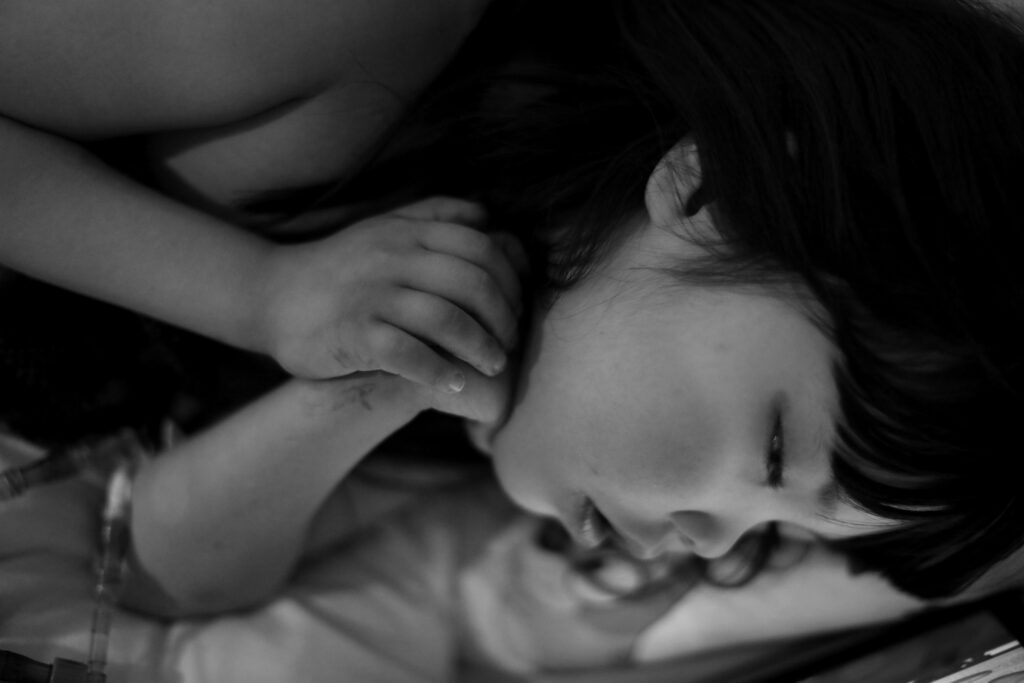
Evie HATED being in the hospital. She hated the wires and tests and having her vitals
checked every few hours and struggled to get any measurable amount of sleep.
Lab draws, IV placements, and dressing changes were indescribably traumatic, requiring a
minimum of 4 nurses and myself to hold her down due to her surprising physical strength. I
was constantly questioning if the trauma was outweighing the benefits and at what point to
tell her medical team that her physical body and mind had been scarred enough.
I asked myself how she could find it in herself to still love and trust me when I had to hold
her down while people were hurting her and if any part of her understood why. If she could
see the tears in eyes and the anguish on my face, if she could hear my heart shatter with
every scream and every wail and every time she cried, “But I’m a good girl” while trying to
fight us off.
On September 6th 2024, the day before her 8th birthday, we met with a transplant surgeon
who explained the reality of end-of-life care and home. It would likely mean hours to days
with her, time that would require her to be heavily sedated to prevent her from experiencing
any pain.
The picture he painted was bleak and all too brief.
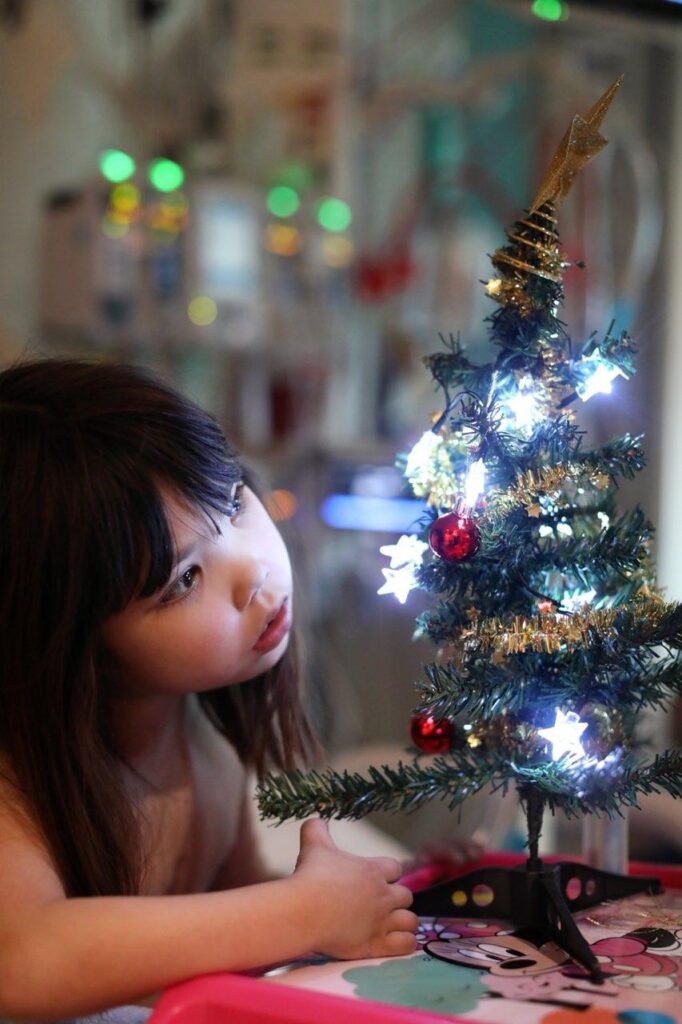
And despite how miserable being hospitalized made her, she was still having flickers of
light in the darkness, moments when joy and laughter outweighed the bad. She wasn’t
done fighting yet, so we weren’t going to give up either. We opted to have her placed on the
transplant list.
We struggled with our emotions throughout the process as we knew that the miracle we
were praying for, the miracle that could save our child’s life, depended on unimaginable
loss somewhere else in the world. We struggled with knowing what our miracle would
mean for another family.
But we waited.
We waited for a donor heart never came.
On October 31, 2024, Evie’s team told us she would no longer survive transplant surgery,
even if a heart became available. She was placed on end-of-life care. Later that day she
dressed as Bluey and went trick-or-treating through the hospital. As I helped her into her
wheelchair, I casually told her, “I’ll make you a penguin costume for Halloween next year.”
The words left my mouth before reality caught up with me. There wouldn’t be a next year.
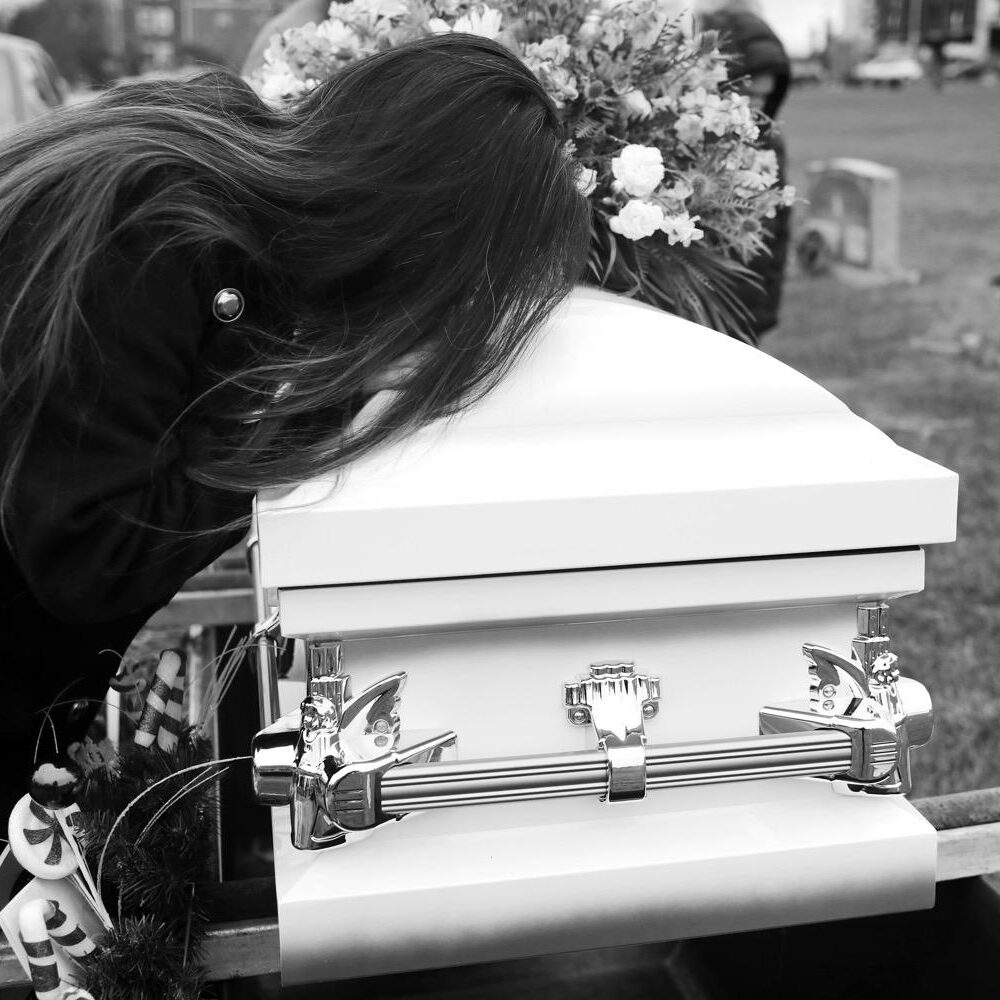
Evie died on November 13, 2024.
The following morning, Network for Hope called to ask if we would consider donating her
corneas. We had assumed donation wouldn’t be possible because of her heart condition.
For us, the answer was clear because we had lived on the waiting side, knew what it meant
to hope for a donor and watch the clock, and knew what it meant to pray that somewhere,
somehow, a family would say yes. So WE said yes.
Choosing donation did not lessen our grief, but it gave purpose to unimaginable loss.
Somewhere in the world, a child can now see because of Evie. A child who is looking at the
world with the same wonder, joy, curiosity, love, and mischief that she did.
Behind every data point is a family like ours.
Behind every name on the waitlist is a child who loves music, or stinky socks, or blue more
than any other color. A child who talks to animals and knows all the words to every ABBA
song ever.
Behind every donor decision is a family making one of the most selfless choices imaginable
in the worst moment of their lives.
My daughter taught me many things in her life — about resilience, about joy in the middle of
hard days, about the way love shows up even in hospital rooms. Even when outcomes
don’t, and her story did not end when her heart stopped beating.
It continues every time we talk honestly about organ donation.
It continues every time someone registers to be a donor.
It continues every time a family on the waitlist feels seen and supported.
If sharing our journey helps even one person understand the weight and the power of that
decision, then Evie’s impact continues to grow.